cocoa butter
US /ˈkoko ˈbʌtɚ/
・UK /ˈkəʊkəʊ ˈbʌtə/
A1
n. (u.)Uncountable NounA pale-yellow, edible vegetable fat extracted from cocoa beans, used to make chocolate, as well as in some ointments, toiletries, and pharmaceuticals.
Cocoa butter is often used in lotions and creams for its moisturizing properties.
Video subtitles
7 Things You Didn't Know About Valentine's Day | History Countdown

- The main byproduct was cocoa butter, which Cadbury began selling as "eating chocolates,"
The main byproduct was cocoa butter, which Cadbury began selling as "eating chocolates,"
Offset's Simple Nighttime Skincare Routine for Oily Skin | Go To Bed With Me | Harper's BAZAAR

- It's Palmer's Cocoa Butter.
It's Palmer's Cocoa Butter.
- It's Palmer's Cocoa Butter.
It's Palmer's Cocoa Butter.
"We Are In Love, He Just Doesn't Know It Yet" - How Nick Offerman And Jeff Tweedy Became Besties

- Did you enjoy having the cocoa butter tan?
Did you enjoy having the cocoa butter tan?
- Did you enjoy having the cocoa butter tan?
Did you enjoy having the cocoa butter tan?
Chocolate Ball Recipe

- They don’t actually contain any cocoa butter so they don’t taste near as good as proper chocolate.
They don’t actually contain any cocoa butter so they don’t taste near as good as proper chocolate.
How KitKat Are Made In a Factory | See How They Make 8 Million Bars Every Day!
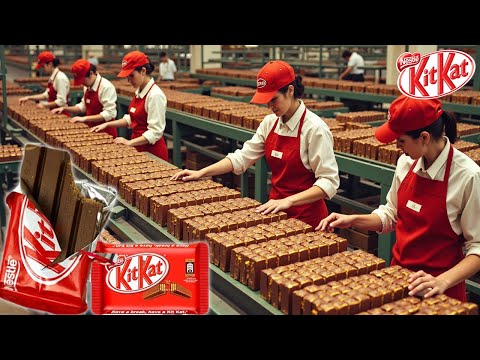
- This paste then moves to a hydraulic press, where every last drop of cocoa butter is extracted, forming pure cocoa cakes that are perfectly round and weigh about 7 kilograms each.
This paste then moves to a hydraulic press, where every last drop of cocoa butter is extracted, forming pure cocoa cakes that are perfectly round and weigh about 7 kilograms each.
- This paste then moves to a hydraulic press where every last drop of cocoa butter is extracted, forming pure cocoa cakes that are perfectly round and weigh about 7 kg each.
This paste then moves to a hydraulic press where every last drop of cocoa butter is extracted, forming pure cocoa cakes that are perfectly round and weigh about 7 kg each.
The price of cocoa is soaring — could lab-grown chocolate be the answer?
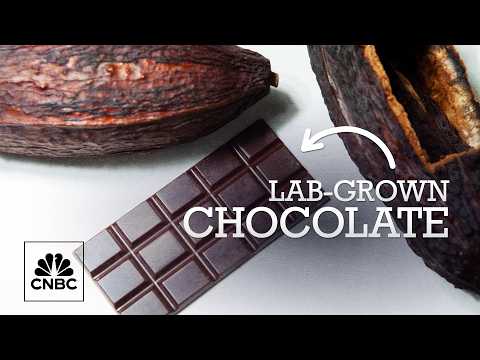
- Ever since like cocoa was domesticated in South America, the process was that trees would take about three to seven years to mature, then about once to maybe twice a year you have a flower, and then it takes another five to seven months for it to grow, then it has to get harvested, the beans have to get fermented, then they get shipped, the shells get broken up and turned into cocoa liquor, and eventually that gets squeezed into cocoa powder, cocoa butter, they get combined at different ratios to produce chocolate.
Ever since like cocoa was domesticated in South America, the process was that trees would take about three to seven years to mature, then about once to maybe twice a year you have a flower, and then it takes another five to seven months for it to grow, then it has to get harvested, the beans have to get fermented, then they get shipped, the shells get broken up and turned into cocoa liquor, and eventually that gets squeezed into cocoa powder, cocoa butter, they get combined at different ratios to produce chocolate.
- and eventually that gets squeezed into cocoa powder, cocoa butter.
and eventually that gets squeezed into cocoa powder, cocoa butter.
ショコラティエだけど「チョコレート」について質問ある? | Tech Support | WIRED Japan
- You have to understand that white chocolate contains cocoa butter.
You have to understand that white chocolate contains cocoa butter.
- You have to understand that white chocolate contains cocoa butter.
You have to understand that white chocolate contains cocoa butter.
The chocolate science hype machine

- The beans are roasted and ground into what we know as cocoa powder or cocoa butter.
The beans are roasted and ground into what we know as cocoa powder or cocoa butter.
- Dark chocolate is made mostly from cocoa butter and typically has a higher percentage of cocoa.
Dark chocolate is made mostly from cocoa butter and typically has a higher percentage of cocoa.
Chocolate: A short but sweet history | Episode 3 | BBC Ideas

- But in the early 19th Century, manufacturers worked out how to remove much of the fat, called cocoa butter, which could then be added back carefully, to improve the texture, making it edible, though still very bitter.
But in the early 19th Century, manufacturers worked out how to remove much of the fat, called cocoa butter, which could then be added back carefully, to improve the texture, making it edible, though still very bitter.
Debunking Food Myths You’ve Believed Your Entire Life
- This occurs when cocoa butter fats separate from cocoa, says Cassell.
This occurs when cocoa butter fats separate from cocoa, says Cassell.